Alina Name SVG Review: Hand-Lettered Embroidery Potential
As a designer who spends more time than I care to admit staring at stitch density charts and testing thread tension, I approach every new machine embroidery design with a healthy dose of skepticism. The market is flooded with vector files that look beautiful on a screen but turn into tangled messes once they hit the hoop. Today, I am evaluating the Alina Name SVG Hand Lettered Name SVG, a digital asset marketed primarily for Cricut and Silhouette projects. But my goal here is different. I want to know if this embroidery file holds up when we talk about real-world application, commercial viability, and the tactile quality of a finished product.
First Impressions and Visual Personality
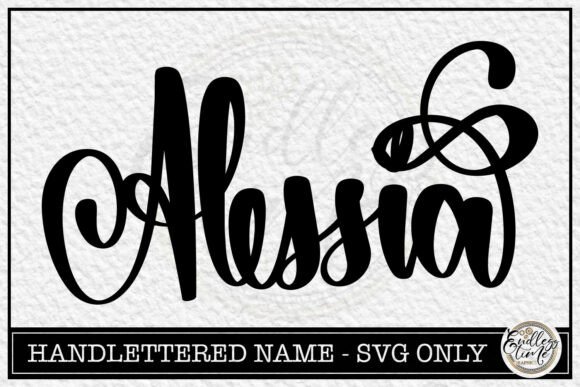
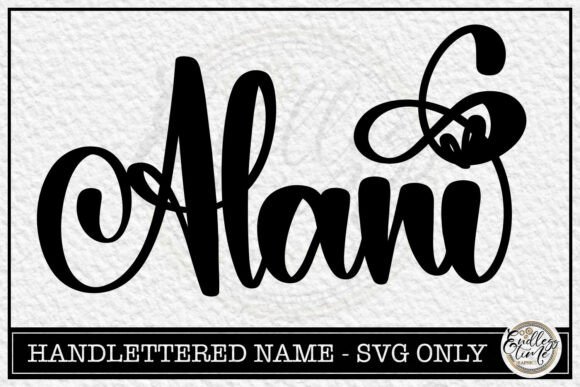
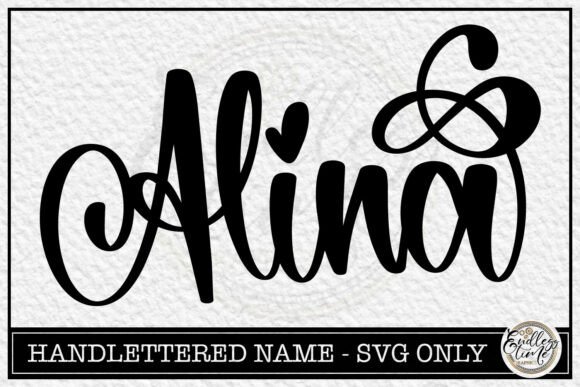
The name "Alina" carries a certain softness, and the hand-lettered style chosen for this design leans into that aesthetic. When you first pull up the vector, the mood is warm, personal, and inviting. It doesn’t scream "corporate logo"; it whispers "bespoke gift." For designers looking to create personalized gifts or items for a boutique shop, this visual personality is a strong starting point.
The letterforms are fluid, with varying stroke weights that mimic natural penmanship. This is crucial because, in embroidery, static block letters can sometimes feel stiff and machine-made. A hand-lettered approach adds character, making the final piece feel like it was crafted by human hands rather than just processed by software. However, as any seasoned embroiderer knows, elegance often comes with technical challenges. The curves need to translate cleanly from a flat SVG into three-dimensional thread structures.
Real-World Application: From Screen to Stitch
Let’s imagine a specific scenario. You are preparing a custom order for a client who wants a personalized tote bag for their newborn niece. They have chosen a cream-colored canvas bag and want the name "Alina" embroidered on the front pocket. This is where the true test begins.
In this context, the Alina Name SVG Hand Lettered Name SVG performs admirably as a focal point. Because the design is relatively simple—consisting mostly of single-line lettering without excessive internal details—it allows the texture of the fabric to show through. This is ideal for a tote bag design or a sweatshirt embroidery project where you want the garment’s material to remain visible. If you were using a dense fill stitch for the entire name, the fabric might pucker, ruining the drape of a soft cotton tee. Instead, this design likely relies on satin stitches for the outlines and perhaps some delicate running stitches for flourishes, which keeps the back of the work clean and the front flexible.
I also see potential here for baby embroidery. Whether it’s on a muslin blanket, a onesie, or a nursery wall hanging, the gentle curves of the hand-lettered style fit perfectly within the aesthetic expectations of parents. It feels safe, sweet, and timeless. For an Etsy seller, this versatility is gold. One file can be adapted for a holiday gift, a wedding favor, or a standard retail item simply by changing the thread color and the base fabric.
Where Caution Is Required
However, not every surface is created equal. There are specific situations where this design requires careful consideration. If you plan to use this on a curved surface like a baseball cap, the hand-lettered nature might distort if the curve is too aggressive. The letters may stretch or compress unevenly, breaking the flow of the name. In such cases, scaling down the design or choosing a flatter area of the hat is necessary.
Similarly, textured fabrics pose a risk. While a linen apron might look charming, the uneven surface can cause needle deflection, leading to slight misalignments in the stitching. Thin or stretchy fabrics, like jersey knits used for t-shirts, demand a heavy-duty stabilizer. Without proper support, the tension of the satin stitches could gather the fabric, creating a puckered effect that detracts from the clean lines of the hand-lettering. Always test on scrap fabric first to ensure your stabilizer choice matches the fabric weight.
Technical Execution and Design Assets
When converting this SVG into an embroidery project, the devil is in the details. Since this is originally a vector graphic intended for cutting machines, the conversion process involves interpreting paths as stitches. Here, the distinction between a satin stitch and a fill stitch becomes critical. For a name like Alina, a continuous satin outline provides the sharpest definition. If the designer has included decorative elements, such as small hearts or stars, these should be evaluated for size. Tiny details often get lost in thick threads or disappear entirely if the hoop size is too small.
I recommend reviewing the design in black and white mockups before committing to expensive threads. This helps you assess the balance and spacing of the letters. Are the ascenders (the tall parts of 'l' or 'h') too close to other letters? Is there enough negative space? Good spacing ensures that the stitch density remains consistent, preventing clumps of thread that can snag or look messy. Additionally, checking the contrast between your chosen thread colors and the fabric texture is vital. A light pastel thread on a white background might lack the punch needed for the design to stand out, whereas a darker thread would provide better visibility.
Commercial Viability and Brand Consistency
For the Etsy seller or small business owner, the value of this design extends beyond its appearance. It speaks to professionalism. A well-executed hand-lettered name suggests attention to detail, which builds customer trust. When a buyer receives a product where the stitching is crisp and the placement is centered, they perceive higher value, even if the underlying cost of goods was low.
This design fits seamlessly into a brand strategy focused on handmade authenticity. It works well for custom apparel, embroidered patches, and even kitchen towels. Imagine a set of matching tea towels for a housewarming gift; the hand-lettered style adds a touch of warmth that mass-produced prints cannot replicate. It enhances the giftability of the item, making it feel special and curated.
However, remember that this is a digital download. Before you start selling finished items, you must verify the licensing terms. Does the license allow for commercial use of the physical products you create? Many creators restrict resale rights unless a specific commercial license is purchased. Ignoring this step can lead to serious legal issues. Also, ensure that the file format you receive is compatible with your embroidery software. While the prompt mentions it is an SVG, you will need to convert it to your machine’s native format (like .PES, .DST, or .JEF) and adjust the settings for optimal performance.
Final Verdict
The Alina Name SVG Hand Lettered Name SVG is a solid choice for designers looking to add a personal touch to their craft business. Its strength lies in its simplicity and emotional appeal. It avoids the pitfalls of overly complex designs that are difficult to execute consistently. By focusing on clean lines and elegant letterforms, it offers a high success rate for various embroidery projects.
To get the best results, treat it with respect. Test your setups, choose your fabrics wisely, and pay attention to the finishing touches. When done correctly, this design can elevate a simple tote bag or baby outfit into a cherished keepsake. It proves that sometimes, less is more, especially when the letters are flowing beautifully across the fabric.
- Best Use Cases: Tote bags, sweatshirts, baby clothes, aprons, and nursery decor.
- Key Consideration: Ensure adequate stabilizer for stretchy or thin fabrics to prevent puckering.
- Design Tip: Use contrasting thread colors to highlight the hand-lettered curves against light backgrounds.
- Commercial Check: Verify licensing rights before producing items for sale on platforms like Etsy.