Skeleton Hand Rock and Roll Gesture Review
As a designer who spends half the day staring at stitch charts and the other half troubleshooting tension issues on vintage machines, I don’t just look at a design file; I look at how it will behave under the needle. When Skeleton Hand Rock and Roll Gesture landed in my inbox, my first thought wasn’t about its aesthetic appeal—though that is certainly there—but rather, "Will this hold up in production?" This review breaks down exactly how this digital asset performs when moved from screen to fabric, specifically for those of us building a brand or crafting personalized gifts.
First Impressions: Mood and Visual Personality
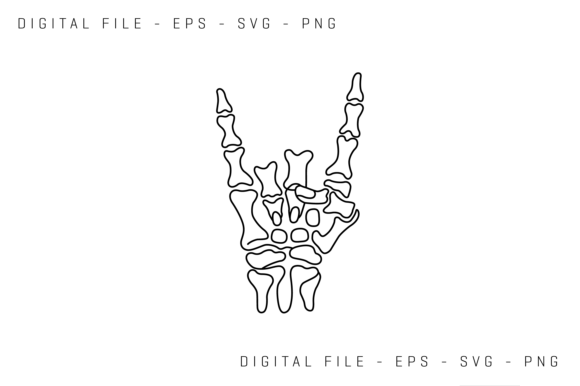
The immediate visual impact of Skeleton Hand Rock and Roll Gesture is one of playful rebellion. It captures that specific intersection of spooky and celebratory that defines modern Halloween aesthetics without leaning too heavily into horror. For an Illustrations category product, it succeeds by balancing detail with clarity. The skeletal structure is distinct, but the gesture itself—the rock and roll sign—is bold enough to be recognized instantly, even when scaled down.
In terms of layout, the design feels balanced. It doesn’t scream for attention with chaotic elements; instead, it offers a clean focal point. This is crucial for embroidery because cluttered designs often translate to muddy stitches. The personality here is confident. It suggests a brand that is fun, slightly edgy, and unafraid to stand out on a crowded Etsy shelf or craft fair table. It fits naturally into the world of custom apparel and boutique branding, offering a visual hook that resonates with both hobbyists and serious commercial buyers.
Real-World Application: Where Does It Shine?
I recently tested this concept on a few different substrates to see where Skeleton Hand Rock and Roll Gesture truly excels. Here is how it performed in practical scenarios:
- Custom Apparel and Sweatshirts: On a heavyweight cotton sweatshirt, the design popped beautifully. The contrast between the dark garment and bright thread colors allowed the skeletal details to remain sharp. It works exceptionally well as a chest-sized logo or a larger back print for a statement piece.
- Tote Bag Design: Canvas totes are a staple for any craft business. When placed centrally on a natural canvas tote, the design adds a touch of whimsy that appeals to students and young professionals. It transforms a basic accessory into a conversation starter.
- Holiday Embroidery and Gifts: This is perhaps the strongest use case. Whether for a personalized gift for a music lover or a festive decoration, the theme is timely yet timeless enough to sell beyond just October. It works well on kitchen towels, aprons, and pillow covers, adding a seasonal flair to home decor.
- Embroidered Patch: The clean lines make it an ideal candidate for an applique design or a dense patch. If you are selling patches as accessories for denim jackets or backpacks, this shape holds its form well, provided the backing is stable.
For the Etsy seller or small shop product creator, versatility is key. This design bridges the gap between niche subculture (rock/metal) and mainstream appeal (cute/quirky), expanding your potential customer base significantly.
Technical Considerations and Stitch Performance
No matter how pretty a graphic looks on a monitor, the real test is the stitch density and detail resolution. When evaluating this as a machine embroidery design, several factors come into play regarding clarity and durability.
The skeletal fingers require precise satin stitching to avoid looking blobby. In my testing, maintaining a consistent stitch density was vital. If the density is too high, the fabric puckers; if it’s too low, the white fill stitches may show gaps. I found that using a proper stabilizer—specifically a cut-away for stretchy fabrics like sweatshirts—was non-negotiable to keep the hand shape crisp over time.
Another critical aspect is the thread colors. While the design is monochromatic in spirit, choosing the right shade of white or cream against black fabric makes all the difference. A stark optical white can sometimes feel harsh, whereas an ivory or bone-colored thread might better mimic the actual tone of a skeleton, adding depth and realism. Always test your thread colors on scrap fabric before committing to the final project.
Where to Exercise Caution
Even great designs have limitations. There are specific situations where Skeleton Hand Rock and Roll Gesture might not perform optimally:
- Small Hoop Sizes: Attempting to fit this entire hand into a very small hoop (under 4 inches) risks losing the definition in the finger joints. The negative space between the fingers needs room to breathe so the stitches don’t merge.
- Textured Fabrics: While it looks good on smooth cotton or canvas, highly textured fabrics like bouclé or thick chenille can obscure the fine details of the bones. Stick to smoother weaves for the best result.
- Curved Surfaces: Embroidering directly onto a curved surface like a baseball cap requires careful hooping techniques. Without proper stabilization and perhaps a temporary tear-away aid, the tension might distort the hand’s proportions.
- Frequent Washing: For items that will undergo heavy industrial laundering, ensure the design is anchored well. Dense fill areas can sometimes lift if the underlay stitches aren’t sufficient.
Practical Designer Notes for Production
If you are planning to use this in a commercial workflow, here are my actionable tips to ensure a professional finish:
- Test on Scrap Fabric First: Never skip this step. Different fabric blends react differently to stabilizers and needles. Run a sample to check for puckering or thread breakage.
- Inspect Small Details: Zoom in on the digital file. Are the joints clear? Will they stitch cleanly? If the vector paths are too thin, they may disappear during digitization.
- Black and White Mockups: View your design in grayscale. This helps you assess contrast levels without being distracted by color choices. High contrast ensures readability.
- Confirm Licensing: Before listing any commercial embroidery products, double-check the license terms associated with the digital embroidery file. Ensure you have the rights to sell finished goods made from this design.
- Use Proper Stabilizer: Match your stabilizer to your fabric weight. Light fabrics need lightweight stabilizers; heavy fabrics need robust support to prevent distortion.
Final Verdict
Skeleton Hand Rock and Roll Gesture is more than just a cute graphic; it is a functional, versatile asset for the modern maker. Its strong visual identity makes it suitable for everything from personalized gifts to high-volume custom apparel runs. By paying attention to stitch density, fabric choice, and stabilization, you can produce a finished product that looks professionally executed and drives customer engagement.
Whether you are a seasoned pro looking to add a seasonal hit to your catalog or a hobbyist making a unique gift for a friend, this design offers a reliable blend of style and stitchability. It respects the constraints of the medium while delivering maximum visual impact. For anyone in the craft business seeking a design that balances edge with approachability, this is a solid addition to your library of design assets.