Review: Standing Funny Elephant Line Art
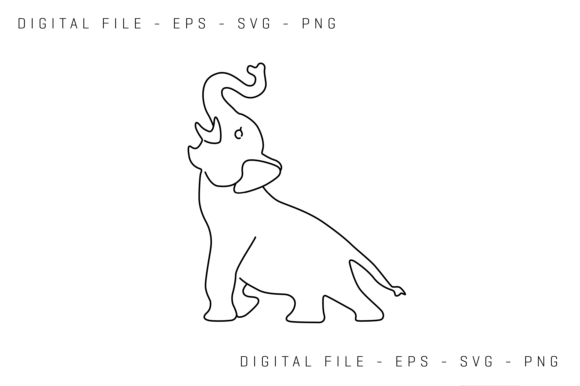
As a designer who spends half her life in digitizing software and the other half debugging stitch errors on actual fabric, I have learned to be skeptical of any "cute" graphic that promises ease. There is a massive difference between a vector that looks good on a screen and a design that holds up under the tension of an embroidery machine needle. When I first pulled up Standing Funny Elephant Line Art Drawing, my immediate reaction was less about cuteness and more about structural viability. The silhouette is distinct, playful, and relies heavily on clean negative space—two things that can make or break a machine embroidery project.
The First Impression: Mood and Visual Personality
The term "line art" often suggests minimalism, but in the world of embroidery, minimalism is a double-edged sword. Too little detail, and the design risks looking incomplete or flimsy after washing. Too much complexity in a thin line, and you risk thread breaks or tangling. This particular embroidery file strikes a precarious but promising balance. The mood it creates is lighthearted and whimsical without being childish. It has a modern, boutique aesthetic that feels right at home in contemporary nursery decor or trendy small business merchandise.
Visually, the elephant stands with a posture that suggests curiosity or mild amusement. The layout is vertical, which naturally lends itself to centered placements on garments or bags. For an Etsy seller or craft business owner, this visual personality is gold. It doesn’t scream for attention like a busy cartoon; instead, it invites a closer look. That subtlety often translates to higher perceived value in a finished product, making it an excellent choice for personalized gifts where the buyer wants something unique but not overwhelming.
Real-World Application: Where This Design Shines
I decided to test how this machine embroidery design would perform in three specific scenarios that are staples for handmade product creators: custom tote bags, baby apparel, and embroidered patches.
- Custom Tote Bags: Canvas is a forgiving fabric, but it can be thick. The line art style works beautifully here because it mimics the look of a printed graphic but adds tactile texture. Placed centrally on a natural canvas bag, the standing funny elephant line art drawing acts as a focal point. It pairs effortlessly with simple text below it, creating a cohesive brand look for a boutique shop. The clean lines ensure that even if the bag gets crumpled in a shopping cart, the design remains legible and chic.
- Baby Apparel: Soft cotton onesies or burp cloths are high-volume items for many small shop products. This design’s gentle curves and lack of sharp, aggressive angles make it safe and appealing for baby items. However, because babies’ clothes are washed frequently, the durability of the stitching is paramount. The open areas in the line art allow for lighter stitch density, which keeps the fabric soft against a baby’s skin—a crucial detail that many overlook until they receive customer complaints about stiffness.
- Embroidered Patches: If you plan to turn this into a detachable patch for denim jackets or backpacks, the strong outline provides a clear boundary for satin stitching. The internal details, assuming they are digitized with appropriate running stitch or fill stitch, will hold together well when sewn onto a backing material. It adds a touch of humor to otherwise utilitarian accessories.
Critical Considerations: Where to Use Caution
No design is perfect for every surface. While this digital embroidery file is versatile, there are specific contexts where it might struggle. Textured fabrics, such as heavy wool or bouclé, can swallow up fine line details, causing the elephant’s features to blur. Similarly, stretchy knits require careful hooping and potentially a tear-away stabilizer to prevent distortion; if the fabric stretches during stitching, those clean lines will warp into wavy messes.
Dark fabrics present another challenge. Line art relies on contrast. On a black or navy background, you will need light-colored threads to make the design pop, which might not always align with your color palette. Additionally, small hoop sizes are risky. If the digitized version includes tiny decorative elements near the trunk or ears, shrinking the design to fit a 4x4 hoop could result in lost details. Always inspect the small details before committing to mass production.
Technical Notes for the Discerning Designer
Before you load this design into your machine, there are several practical steps you must take. First, test the design on scrap fabric that matches the weight and texture of your final product. This is non-negotiable. Check the stitch density closely. Line art often uses fewer stitches than solid fill designs, which is great for speed, but you must ensure the underlay stitches are secure enough to keep the lines flat.
Pay attention to thread colors. A single-color monochrome stitch-out can reveal structural flaws that multi-color versions hide. Run a black-and-white mockup to see if the negative space reads clearly. If you are using this for commercial embroidery projects, confirm the licensing terms. The product description mentions editable EPS and SVG files, which suggests flexibility for vinyl decals or stickers, but verify if the digital purchase allows for unlimited commercial use of the embroidered finished goods.
Also, consider the stabilizer choice. For delicate fabrics, a water-soluble topping might help maintain the crispness of the lines, especially if the thread sheen is glossy. Conversely, for sturdy cottons, a standard cut-away stabilizer ensures longevity. Don't forget to check whether the design works for both personal and commercial projects, as some designers restrict resale rights for certain motifs.
Final Verdict: Value and Professional Appeal
Does Standing Funny Elephant Line Art Drawing earn its place in your design library? Yes, but with conditions. It is not a "set it and forget it" design for beginners who haven’t mastered tension settings. However, for experienced makers, it offers a high return on investment. The design elevates simple products like tea towels or aprons from generic to curated. It enhances brand consistency by offering a recognizable, friendly mascot-like figure that customers connect with emotionally.
In terms of buyer engagement, this type of imagery performs well because it is shareable. People love posting photos of their new embroidered treasures on social media, and a funny, well-executed elephant design is exactly the kind of content that stops the scroll. It signals that the maker cares about aesthetics and quality.
Ultimately, this embroidery project is a smart addition for anyone looking to expand their catalog with low-risk, high-appeal items. Just remember: the success of the final product depends less on the digital file and more on your execution. Test thoroughly, choose your materials wisely, and let the clean lines of the elephant do the talking. It’s a subtle design that speaks volumes about craftsmanship.