Continuous One Line Drawing of Leaf Embroidery Review
As a designer who spends more time staring at stitch lines than sleeping, I approach every new digital asset with a mix of skepticism and curiosity. When Continuous One Line Drawing of Leaf landed in my inbox, I didn’t just see a pretty image; I saw potential for a high-margin product line. The modern market is saturated with complex, heavy embroidery files that often look muddy when stitched out. What I was looking for was simplicity, elegance, and versatility—something that screams "boutique quality" without requiring a master’s degree in digitizing to execute properly.
This Illustrations category gem caught my eye because it leans into the minimalist trend that is dominating both home decor and apparel right now. But does it translate from screen to fabric? Let’s dive into the practical realities of using this design for real-world projects.
The First Impression: Mood and Visual Personality
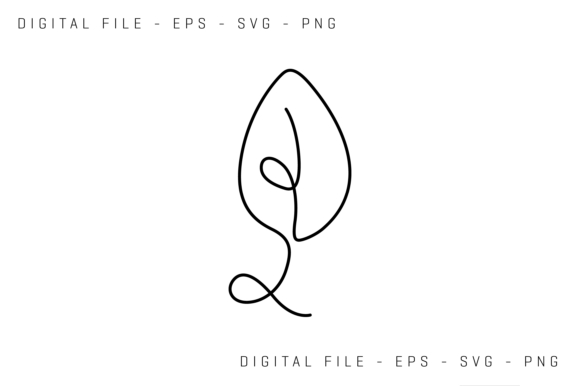
At first glance, the Continuous One Line Drawing of Leaf feels incredibly fresh. It avoids the cluttered, traditional botanical styles that can feel dated or overly busy. Instead, it offers a fluid, organic aesthetic that suggests growth, nature, and calm. The single-line technique creates a sense of movement, which is rare in static embroidery designs.
For a creative entrepreneur or an Etsy seller, this visual personality is gold. It doesn’t compete with other elements on a garment; it complements them. Whether you are pairing it with bold typography for a motivational quote or letting it stand alone as a focal point, the design has a quiet confidence. It feels expensive. That is exactly the vibe you want when you are trying to justify a higher price point for your handmade products.
Real-World Application: From Concept to Finished Product
I put this design through its paces by imagining it on various substrates. Here is how it performs in specific scenarios:
Custom Apparel and Sweatshirts
One of the strongest use cases for this file is on oversized sweatshirts or fitted t-shirts. Because the design relies on clean lines rather than dense fills, it looks crisp even on textured fabrics like heather grey cotton or soft fleece. I envision placing a small version near the hemline for a subtle detail or centering a larger version on the back for a statement piece. It works beautifully as a sweatshirt embroidery project because it doesn’t weigh down the fabric, maintaining the comfort that customers expect from premium loungewear.
Tote Bags and Canvas Goods
If you run a craft business, you know that tote bags are a staple. However, many designs get lost on thick canvas. The Continuous One Line Drawing of Leaf stands out against the rough texture of natural jute or sturdy cotton canvas. It adds a touch of sophistication to what is otherwise a utilitarian item. This is perfect for tote bag design enthusiasts who want to create gifts for teachers, librarians, or eco-conscious shoppers.
Baby Items and Nursery Decor
The gentle curves of the leaf make it ideal for baby embroidery. Think of it embroidered on a muslin swaddle, a hooded towel, or a nursery wall hanging. The simplicity ensures it won’t overwhelm a delicate baby garment, and the nature theme fits seamlessly into gender-neutral nursery palettes. It is soft, safe-looking, and aesthetically pleasing, which increases its appeal to new parents looking for meaningful personalized gift options.
Holiday Gifts and Seasonal Merchandise
While leaves often signal autumn, the continuous line style is timeless. It can be adapted for year-round use. For holiday embroidery, consider stitching it in white thread on dark green velvet for Christmas, or in pastel threads for spring. Its versatility allows you to keep your inventory fresh without constantly searching for new design assets.
Technical Considerations and Stitch Performance
As an experienced reviewer, I must address the technical side. Not all digital files are created equal, and understanding how this embroidery file behaves is crucial for a successful outcome.
Stitch Density and Clarity
The beauty of this design lies in its restraint. It likely utilizes a combination of satin stitches for the outline and perhaps some light fill or running stitches if the digitizer added depth. Because it is a single-line drawing, the stitch density is generally low to moderate. This means less risk of fabric puckering, especially on lightweight materials. However, you must ensure your machine tension is balanced. If the thread is too tight, the continuous line might distort; if too loose, it may look ragged.
Fabric Compatibility
This design shines on stable fabrics. Woven cottons, linens, and denim are excellent choices. However, caution is advised when working with highly stretchy knits or very thin, sheer fabrics. Without proper stabilization, the tension required to hold the line together could cause distortion. Always use a cut-away stabilizer for woven items and a tear-away or wash-away for knits, depending on the weight of the garment.
Where to Use It Carefully
While versatile, there are limits. Avoid using this design on curved surfaces like baseball caps unless you have a specialized cap hoop and experience, as the linear nature of the leaf might warp visually around the curve. Similarly, do not attempt to stitch this onto textured fabrics like terry cloth or bouclé wool, as the fine details will be lost in the pile. Also, be mindful of color contrast. On dark fabrics, use a metallic or bright contrasting thread to ensure the single line remains visible. On light fabrics, a dark thread provides the necessary definition.
Practical Designer Notes for Success
Before you rush to produce hundreds of units for your small shop product line, follow these steps to ensure professional results:
- Test on Scrap Fabric: Always stitch out a test sample on the exact fabric you plan to use. This reveals how the thread interacts with the material’s texture.
- Check Thread Colors: Experiment with different thread colors. A black leaf on white fabric is classic, but try navy on cream or sage green on beige for a softer, more modern look.
- Review Hoop Size: Confirm the recommended hoop size for the design. If you are working on a small area, such as a collar or cuff, ensure the design fits without crowding.
- Inspect Small Details: Zoom in on the digital preview. Ensure there are no tiny, isolated stitches that might break during washing. The continuous line should be robust enough to withstand wear.
- Use Proper Stabilizer: Never skip the stabilizer. It is the backbone of any good embroidery project. For commercial embroidery items that will be washed frequently, a high-quality stabilizer is non-negotiable.
- Confirm Licensing: Since this is a digital embroidery file, check the license terms carefully. Most personal-use licenses do not allow you to sell finished products. If you intend to sell your handmade goods, ensure you have a commercial license to avoid legal issues.
Final Verdict
The Continuous One Line Drawing of Leaf is a standout addition to any designer’s library. It bridges the gap between artistic illustration and functional embroidery. It is elegant, easy to stitch, and highly marketable. Whether you are creating a unique handmade product for a craft fair or building a brand identity for your online store, this design offers the professionalism and charm that buyers are looking for.
It transforms simple garments into curated pieces. By paying attention to fabric choice, thread contrast, and stabilization, you can leverage this graphics asset to create finished product lines that resonate with customers who value quality and aesthetics. For the savvy maker, this is not just a leaf; it is a tool for growth.