Autism Awareness Month Support Seeing Review
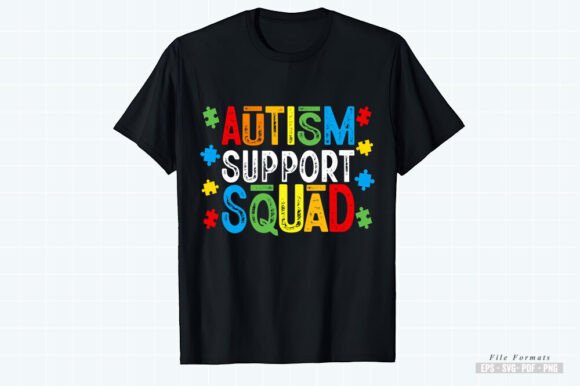
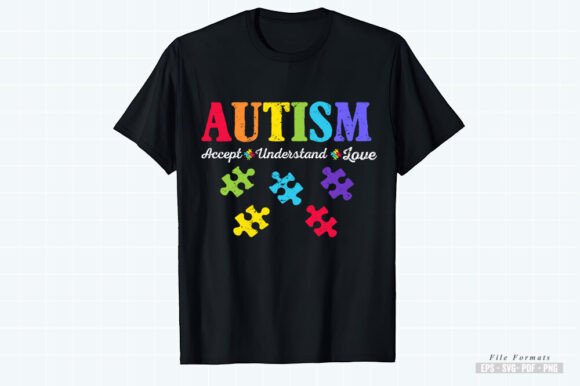
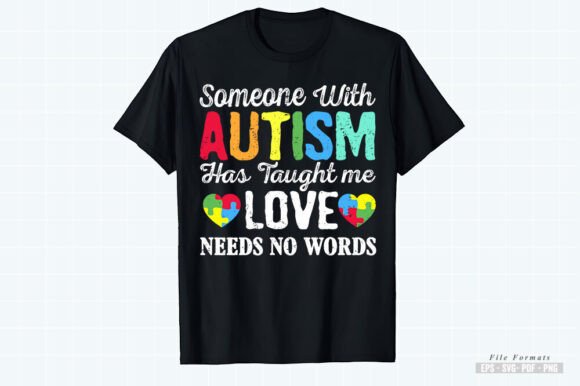
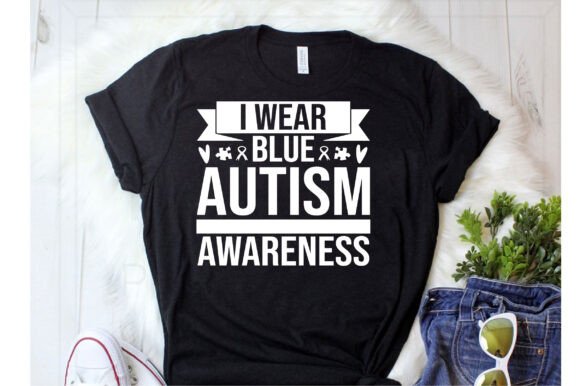
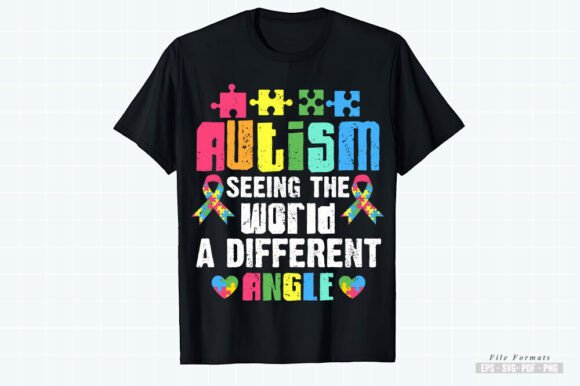
As a designer who spends half my life staring at hoop frames and the other half worrying about thread tension, I don’t just buy embroidery files; I interrogate them. When Autism Awareness Month Support Seeing landed on my desk as a Print Template under the Graphics category, I didn’t immediately see a finished product. I saw potential. I saw a puzzle of stitch types, fabric interactions, and marketability that needed to be solved before it ever touched a customer’s chest or bag.
This isn’t just another ribbon graphic. It is a design asset that carries significant emotional weight and visual responsibility. My review focuses on how this design behaves in real-world scenarios, from the first digitizing concept to the final stitched piece on a custom sweatshirt or tote bag.
First Impressions: Mood and Visual Personality
The moment you open the file for Autism Awareness Month Support Seeing, the intent is clear. The mood is supportive, calm, and inviting. In the world of machine embroidery design, mood translates directly to stitch choice. A design that feels "supportive" usually avoids aggressive angles or overly dense, chaotic fills. Instead, it relies on clean lines and balanced negative space.
Visually, the layout feels grounded. For an Etsy seller or small business owner, this balance is crucial. It suggests a design that won’t look cluttered when scaled down for a baby onesie or blown up for a large tote bag. The theme resonates with the broader conversation around neurodiversity, making it more than just a seasonal item—it becomes a statement piece for year-round advocacy.
However, the visual personality also demands respect. Because it deals with awareness, the execution must be professional. A sloppy stitch job here doesn’t just look bad; it undermines the message. This is where the quality of the underlying embroidery file matters immensely. The initial scan suggests a design that prioritizes clarity over complexity, which is a smart move for mass production.
Real-World Application: Where Does It Fit?
I took Autism Awareness Month Support Seeing through a mental gauntlet of common handmade product categories. Here is how I see it performing in actual use cases.
- Custom Apparel: On a unisex t-shirt or a heavyweight sweatshirt, this design shines. The contrast between the thread and the fabric will likely be the star of the show. For sweatshirt embroidery, the stability of the fleece helps hold the stitches firmly, ensuring the details remain crisp even after washing.
- Tote Bags and Accessories: Canvas is a forgiving but challenging fabric. It can pucker if the stitch density is too high. If this design uses efficient fill stitches, it will sit flat on a tote bag design project. It makes for a practical, everyday carry item that spreads awareness without being intrusive.
- Baby Items: Soft bodysuits and burp cloths are huge markets. For baby embroidery, simplicity is key. If the design has fine details that might get lost in the softness of cotton jersey, it may need resizing. However, its supportive theme makes it a thoughtful gift for parents of neurodivergent children.
- Holiday and Seasonal Gifts: While tied to Autism Awareness Month, the aesthetic is versatile enough for general gifting. It works well as a personalized gift for friends and family who are advocates. It fits seamlessly into holiday embroidery collections as a meaningful alternative to generic seasonal motifs.
I also envision this working beautifully as an embroidered patch. Patches allow for a border that contains the design, protecting the edges and giving it a polished, uniform look. This adds value to commercial embroidery projects, allowing sellers to attach them to hats, jackets, or bags easily.
Technical Considerations and Stitch Behavior
Before committing to a full production run, any savvy craft business owner knows they must test. The behavior of Autism Awareness Month Support Seeing depends heavily on the technical execution.
Stitch Density and Hoop Size: One of the biggest risks in printable mockups is assuming a design will scale linearly without issues. You need to check the hoop size compatibility. If the design includes tiny lettering or intricate corners, those areas are prone to thread breaks or needle hits if the stitch density is not optimized. Dense areas can create stiff spots on fabric, which is uncomfortable for apparel but acceptable for home decor items like pillow covers.
Fabric Texture and Stabilizer: The choice of fabric dramatically changes the outcome. On smooth cotton, the satin stitch edges will look sharp. On textured fabrics like denim or linen, the texture might interfere with the finer details, causing a slightly rustic, uneven look. Always use the proper stabilizer—cut-away for stretchy knits and tear-away for wovens—to prevent shifting. If you are working on dark fabric, ensure the thread colors provide enough contrast; otherwise, the design loses its impact.
Thread Colors: The effectiveness of this design hinges on color theory. Typically, autism awareness designs utilize blue or rainbow palettes. You must verify that the thread colors chosen complement the base fabric. A light blue on white might wash out, while a deep navy on black might disappear. Testing in black and white mockups can help you judge the tonal contrast independently of color bias.
Where to Use With Caution
Not every surface is created equal. There are specific scenarios where Autism Awareness Month Support Seeing might struggle if not handled with care.
- Small Hoop Sizes: Attempting to fit detailed elements into a very small hoop (like 4x4 inches) can result in loss of detail. If the design has delicate curves, they may turn into jagged polygons when stitched small.
- Curved Surfaces: Embroidering directly onto caps or curved hat panels requires advanced techniques. The design needs to be adapted for curvature, or it will distort. For beginners, sticking to flat surfaces like aprons or kitchen towels is safer.
- Thin or Stretchy Fabrics: Without adequate stabilizer, thin fabrics can pucker severely. Stretchy materials require a hooping technique that minimizes distortion, or the design will look warped once removed from the hoop.
- Dense Stitch Areas: Large blocks of fill stitch can make garments stiff and heavy. For items that need to drape well, such as dresses or lightweight shirts, excessive density is a negative factor.
Impact on Brand and Customer Trust
For digital product sellers and creative entrepreneurs, the presentation of the design is as important as the stitching itself. A well-executed Autism Awareness Month Support Seeing design enhances brand consistency. It signals that you pay attention to detail and care about the cause.
When customers see a professionally finished product, their trust increases. They assume the rest of your shop is equally reliable. Conversely, a poorly stitched version can damage your reputation. This is why testing is non-negotiable. It shows professionalism and ensures that the finished product meets the high standards expected in today’s craft business landscape.
Furthermore, the design’s versatility allows for creative marketing. You can showcase it on various design assets like printable mockups for online listings, giving buyers a clear idea of how the embroidery project will look in their hands. This transparency boosts buyer engagement and reduces return rates.
Practical Designer Notes
If you are planning to use this digital embroidery file for commercial purposes, keep these tips in mind:
- Test First: Always stitch a sample on scrap fabric that mimics your final material.
- Check Licensing: Confirm whether the license allows for commercial embroidery sales. Some graphics are for personal use only.
- Inspect Details: Zoom in on the digital file to ensure no overlapping stitches or errors exist before digitizing or printing.
- Compare Backgrounds: Test the design on both light and dark fabrics to ensure visibility.
- Review Thread Contrast: Select threads that pop against your intended fabric color.
In conclusion, Autism Awareness Month Support Seeing is a strong candidate for anyone looking to add meaningful, high-quality pieces to their inventory. It balances emotional resonance with practical design principles. By respecting the technical requirements and testing thoroughly, you can transform this print template into a cherished personalized gift or a best-selling boutique item. It is not just a design; it is a tool for connection, and when executed well, it speaks volumes.