Autism Support Squad Embroidery Review
As a designer who spends more time staring at stitch lines and fabric grain than sleeping, I approach every new design file with a healthy dose of skepticism. The market is flooded with generic clip art that looks fine on a screen but falls apart under the needle. That is why I decided to put Autism Support Squad through its paces. This isn’t just another graphic; it is a statement piece that carries significant emotional weight. For embroidery designers, small business owners, and crafters, understanding how a design translates from a digital concept to a tangible, stitched product is crucial. After analyzing the layout, thematic resonance, and practical application of this Print Template, here is my honest take on whether it belongs in your machine.
First Impressions and Visual Personality
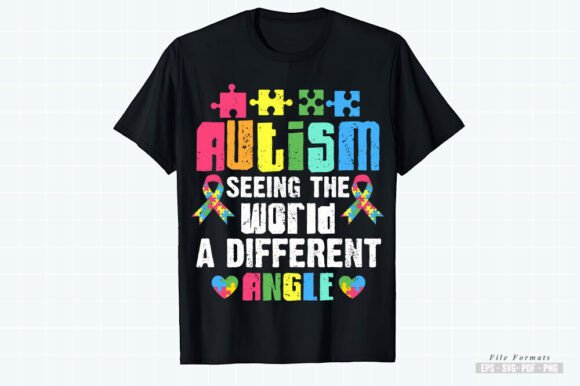
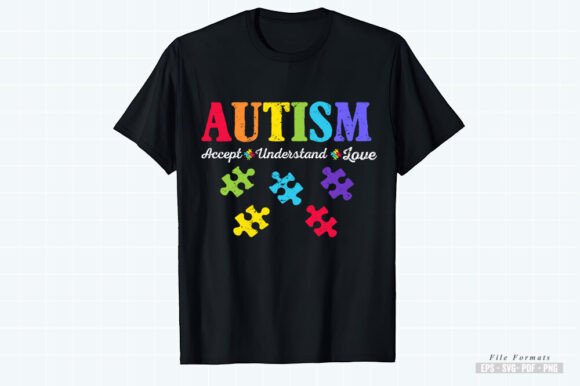
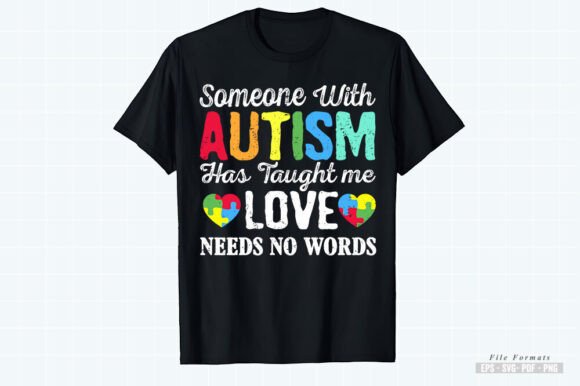
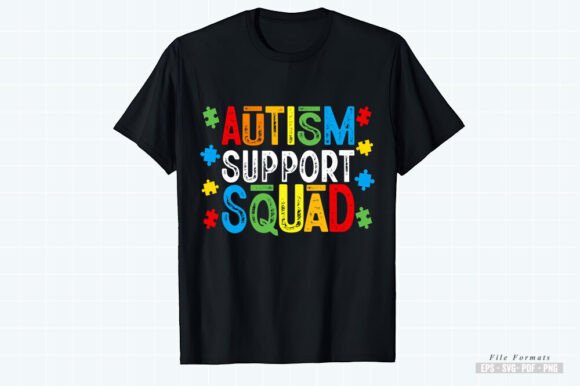
The moment you open the file for Autism Support Squad, the intent is clear. It is not subtle, nor should it be. The design exudes a sense of camaraderie and protective warmth. Visually, it feels bold and structured, which is exactly what you want when dealing with themes of support and awareness. The typography and graphical elements are balanced in a way that suggests they were built with versatility in mind. It does not feel cluttered, which is a common pitfall in designs that try to say too much.
From a pure aesthetics standpoint, the mood is uplifting yet serious. It avoids being overly childish while remaining accessible. This balance is rare. Many "support" designs skew too cute, losing their impact, or too corporate, losing their heart. This one sits comfortably in the middle, making it suitable for a wide range of audiences. Whether you are creating a personalized gift for a family member or stocking a boutique shelf, the visual personality of this design commands respect without demanding attention aggressively. It invites the viewer in, rather than shouting at them.
Real-World Application: The Tote Bag Scenario
To truly judge an embroidery design, you have to imagine it on a product. Let’s talk about a real-life scenario: preparing a custom embroidered tote bag for a local autism awareness walk or a specialized Etsy listing for parents. I imagined taking the Autism Support Squad file and stitching it onto a heavy-duty canvas tote.
Here is where the design shines. The central placement works beautifully on a tote bag. Because the design is likely centered and balanced, it anchors the bag visually. When customers hold these bags, they are carrying a message. The durability of the embroidery adds to the perceived value of the item. Unlike a printed vinyl decal that might peel after a few washes, a well-stitched version of this design becomes part of the fabric itself. It feels permanent, intentional, and high-quality. For an Etsy seller or a craft fair vendor, this distinction is everything. Buyers can often tell the difference between a quick print and a thoughtful embroidery project. This design, executed correctly, signals that you care about the details.
Apparel and Soft Goods Versatility
Beyond totes, this design has strong potential for custom apparel. Imagine a sweatshirt embroidery for a cooler day, or perhaps baby embroidery on a onesie for a sibling welcoming a new family member. The theme is universal enough to fit into nursery decor or holiday embroidery gifts. The "Squad" aspect implies a group, which makes it perfect for team shirts or family matching sets. When designing for commercial embroidery, having assets that work across multiple product categories is key. This graphic feels like it could easily transition from a cap patch to a pillow cover without losing its integrity.
Technical Considerations and Stitch Clarity
Now, let’s get technical. As an experienced reviewer, I look at how a design behaves during the stitching process. While I do not have the exact stitch count or specific hoop size requirements from the raw data, I can offer guidance based on general embroidery principles applied to this type of graphic.
- Stitch Density: Designs with solid blocks of color need adequate fill stitch density to avoid showing the fabric underneath. If this design uses large satin stitches for outlines, ensure your tension is calibrated correctly to prevent puckering.
- Small Details: Pay close attention to any tiny lettering or intricate corners. In machine embroidery, details smaller than 4mm can become muddy blobs if the resolution of the digitizing is poor. Test the smallest elements first.
- Thread Colors: The choice of thread colors will make or break this design. High contrast is essential. On dark fabric, you will need bright, vibrant threads to make the design pop. On light fabric, darker threads provide definition. Always test thread color contrast before committing to a full production run.
If this is an applique design, the layers must be precise. Applique requires a different set of skills regarding stabilizer selection and hooping stability. Ensure you use a proper stabilizer to keep the fabric taut and prevent shifting, which can ruin the alignment of the applique edges.
Where to Use Carefully
No design is perfect for every surface. There are specific scenarios where Autism Support Squad might struggle or require extra caution.
- Small Hoop Sizes: If you are working with very small hoops, such as those used for delicate jewelry boxes or tiny patches, ensure the design fits comfortably with enough margin. Crowding the edges can lead to trimming issues.
- Textured and Stretchy Fabrics: Avoid placing this on highly textured fabrics like chunky knits or loose weaves unless you are using a heavy-duty stabilizer. Similarly, stretchy fabrics like jersey knit require special handling to prevent distortion. The design’s geometry relies on straight lines and clean curves; if the fabric stretches out of shape during stitching, the final result will look warped.
- Curved Surfaces: Embroidering on caps or curved hat fronts is challenging. While possible, it requires a curved hoop and significant skill. If you are a beginner, stick to flat surfaces like tote bags, aprons, or flat-lay garments.
- Frequent Washing: For products that need frequent washing, such as kitchen towels or baby clothes, dense stitch areas can sometimes trap moisture or wear down faster if low-quality thread is used. Advise your customers on proper care to maintain the finished product’s appearance.
Impact on Brand and Customer Trust
In the world of handmade products and small shop merchandise, presentation is part of the product. A well-executed embroidery design elevates the brand consistency of your shop. When a customer sees a crisp, professional-looking embroidery project, they associate that quality with your entire business. It builds trust. It tells them that you pay attention to detail, which is especially important when selling personalized gifts or items related to sensitive topics like autism awareness.
This design also enhances buyer engagement. People love sharing meaningful items on social media. A beautifully embroidered tote bag or sweatshirt featuring Autism Support Squad is photogenic and shareable. It serves as a walking billboard for your craftsmanship. For digital product sellers, providing printable mockups that show this design on various products helps potential buyers visualize the final outcome, increasing conversion rates.
Final Designer Notes
Before you upload this to your machine or list it in your store, follow these practical steps:
- Test on Scrap Fabric: Never go straight to the final product. Stitch the design on a scrap piece of the same fabric you plan to use. Check for thread breaks, puckering, and color accuracy.
- Black and White Mockup: Convert the design to black and white in your editing software. This helps you see the contrast and balance of shapes without the distraction of color.
- Licensing Check: Confirm licensing before selling finished items or digital products. Ensure you have the right to use this graphic commercially. If it is a Print Template, verify if resale rights are included.
- Stabilizer Selection: Choose the right stabilizer for your fabric weight. Too little stabilizer leads to sagging; too much leaves stiff residue.
In conclusion, Autism Support Squad is a versatile, emotionally resonant design that offers great potential for embroidery designers and craft business owners. It works best on flat, stable fabrics and benefits from careful attention to stitch quality and thread choice. If you execute it well, it will not only look good but will also serve its purpose as a meaningful symbol of support. It is a solid addition to any designer’s library of design assets, particularly for those focusing on heartfelt, community-driven projects.